Qiantong Technology

Unified Identity Platform

One stop for multi-system identity management — no more repeated loginsContact Us

Product Overview

One credential, total peace of mind — your digital identity steward

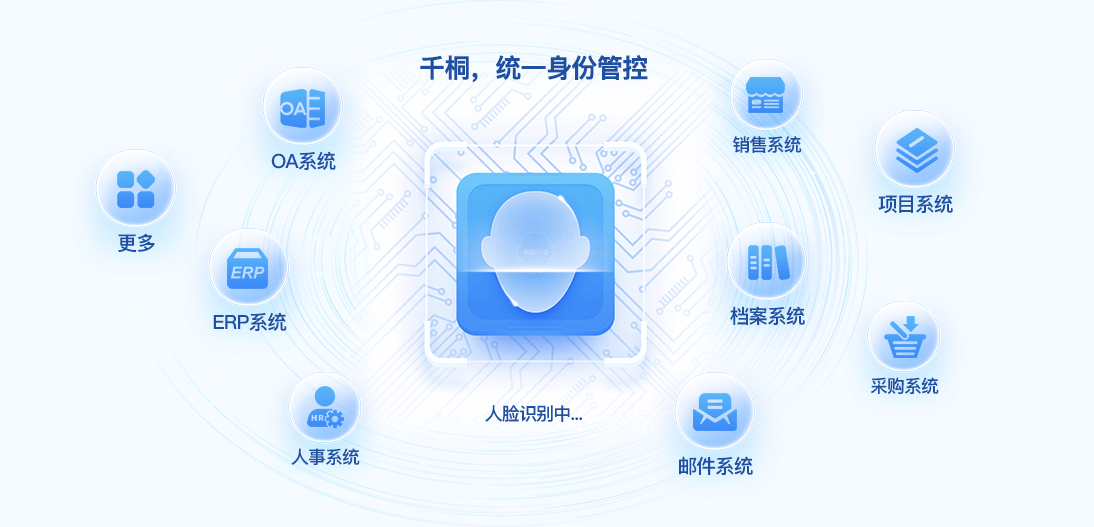
Qiantong Unified Identity Platform (qAuth) overview

A unified identity platform is core infrastructure for enterprise digital transformation. Like a master key for the digital world, it lets users securely access every connected system with a single account and password. Built on OAuth2.0/SAML and other standard protocols, it combines single sign-on (SSO), multi-factor authentication, and permission management to solve system silos and password fatigue. Typical scenarios include enterprise groups seamlessly connecting 12+ systems such as academic and financial applications, government agencies enabling certificate-free services, and enterprises building zero-trust security frameworks. It cuts identity authentication time by around 60% while improving data security through dynamic permission control.

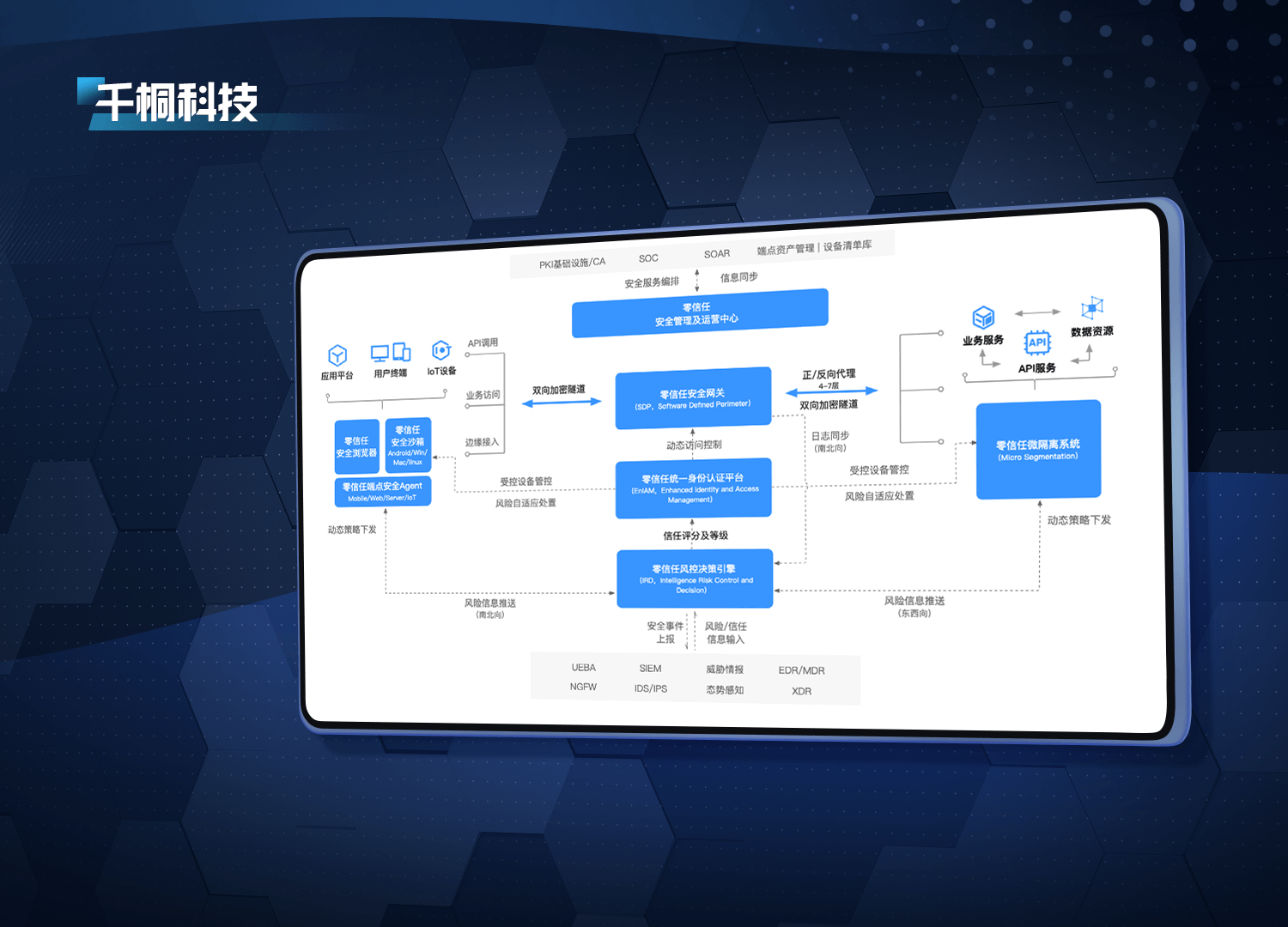
Product Blueprint

Digital key, single sign-on pass, permission hub, and security gatekeeper

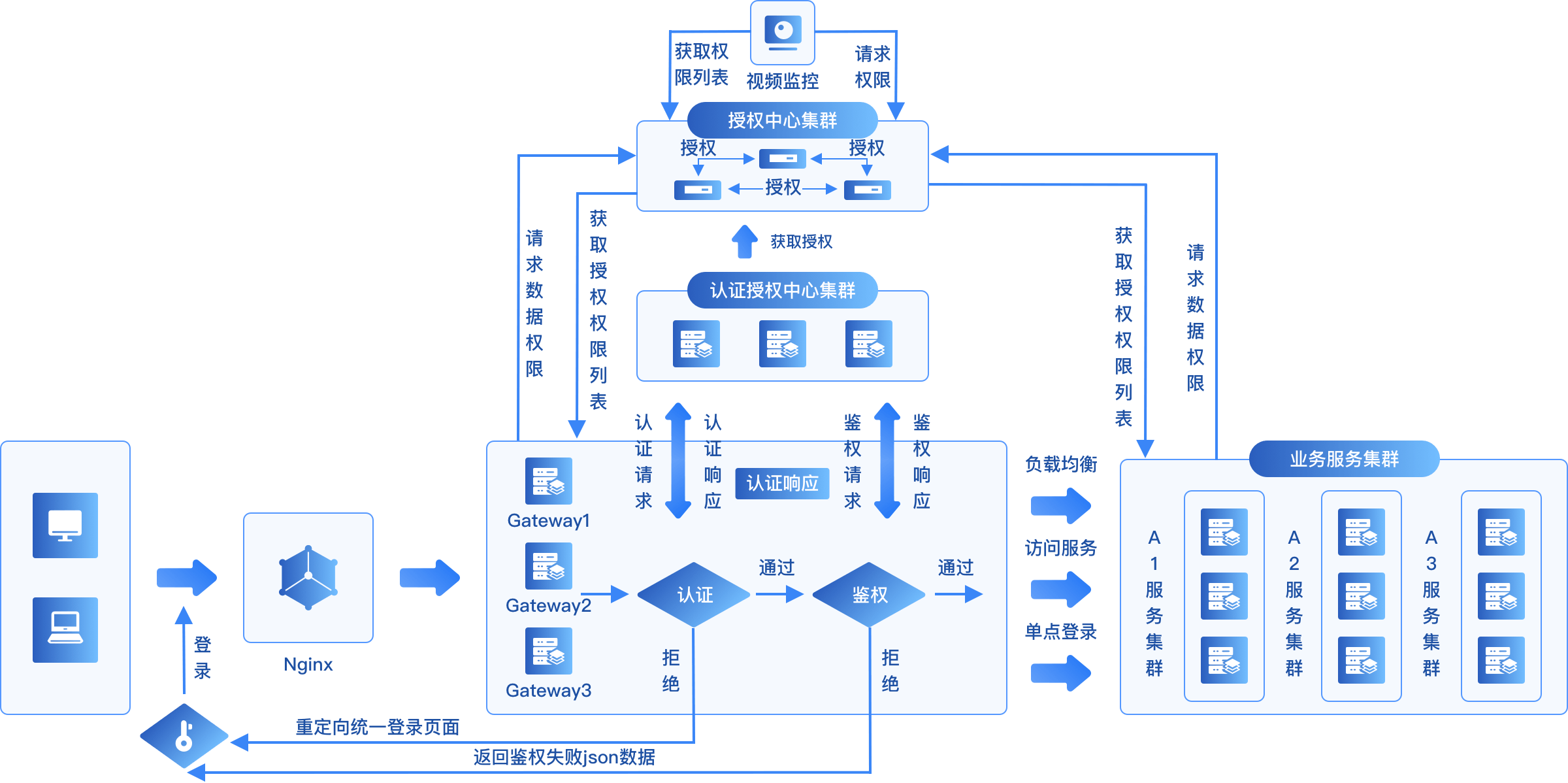
Qiantong Unified Identity Platform (qAuth) blueprint

Industry Pain Points

Chaotic identity management drains time and effort

01

System Silos

A manufacturer deployed 12 business systems including ERP and CRM; independent authentication caused an average of 37 repeated logins per day

  • Each business system manages identity data independently
  • Users must register and log in repeatedly
  • Multi-system synchronization is required
  • Heterogeneous systems use different authentication protocols and storage
  • Inconsistent data
  • Low collaboration efficiency
Contact Us
02

Multiple-Account Burden

Surveys show 83% of employees reuse passwords or write them down; one financial institution suffered a data breach affecting tens of millions of records due to credential leakage

  • The same user holds multiple independent identities across systems
  • Cause: legacy systems were built without unified planning
  • Inconsistent password policies
  • Lack of account management
  • Heavy memory burden
  • High security risk
Contact Us
03

Chaotic Permission Management

A former e-commerce employee still accessed the supply chain system six months after leaving, triggering a malicious database deletion

  • Coarse-grained permission assignment
  • No dynamic adjustment mechanism
  • Horizontal privilege escalation
  • Vertical privilege escalation
  • Delayed permission revocation
  • No temporary permission management
  • Hard to meet audit requirements such as MLPS and GDPR
Contact Us

Solutions

Unified authentication, unified permissions, simple and fast

Smart Single Sign-On (SSO) System
01

Smart Single Sign-On (SSO) System

  • Hybrid deployment of OAuth2.0/SAML/OpenID Connect, compatible with 92% of enterprise applications worldwide
  • Kerberos ticketing enables automatic login for specialized software such as medical PACS
  • A multinational pharma company achieved 7-second cross-domain ERP login across 23 global branches, cutting IT support costs by 68%
Contact Us

Product Highlights

Domestic-stack, all-scenario, fast integration, high performance

Full Domestic-Stack Adaptation
01

Full Domestic-Stack Adaptation

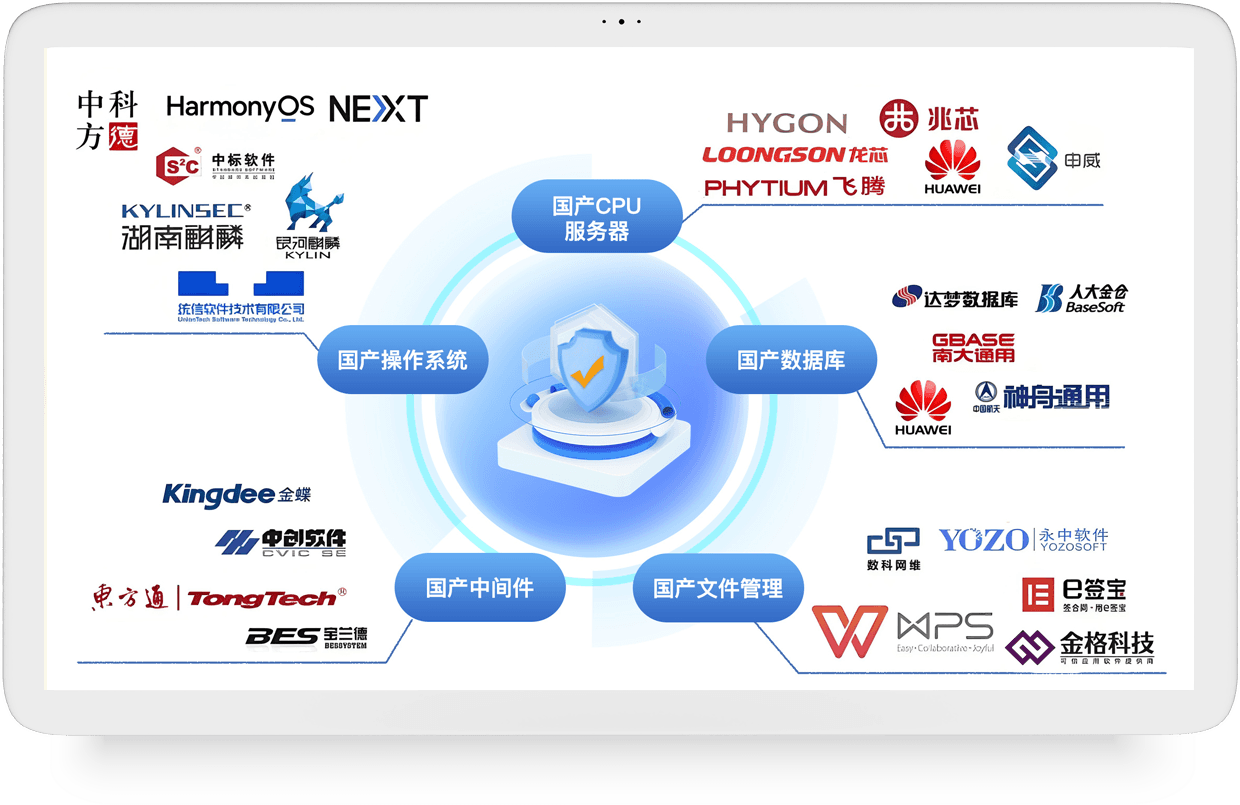
The system fully adapts to the domestic technology ecosystem, with instruction-set optimization on Kunpeng, Phytium, and Loongson processors; certification for Kylin and UOS operating systems; and transaction-level integration with Dameng and Kingbase databases — meeting the autonomous and controllable requirements of government, military, and critical industries.

With deep optimization and compatibility certification, the system runs reliably on domestic infrastructure and meets information-technology application-innovation replacement needs across industries.

Contact Us
All-Scenario Authentication
02

All-Scenario Authentication

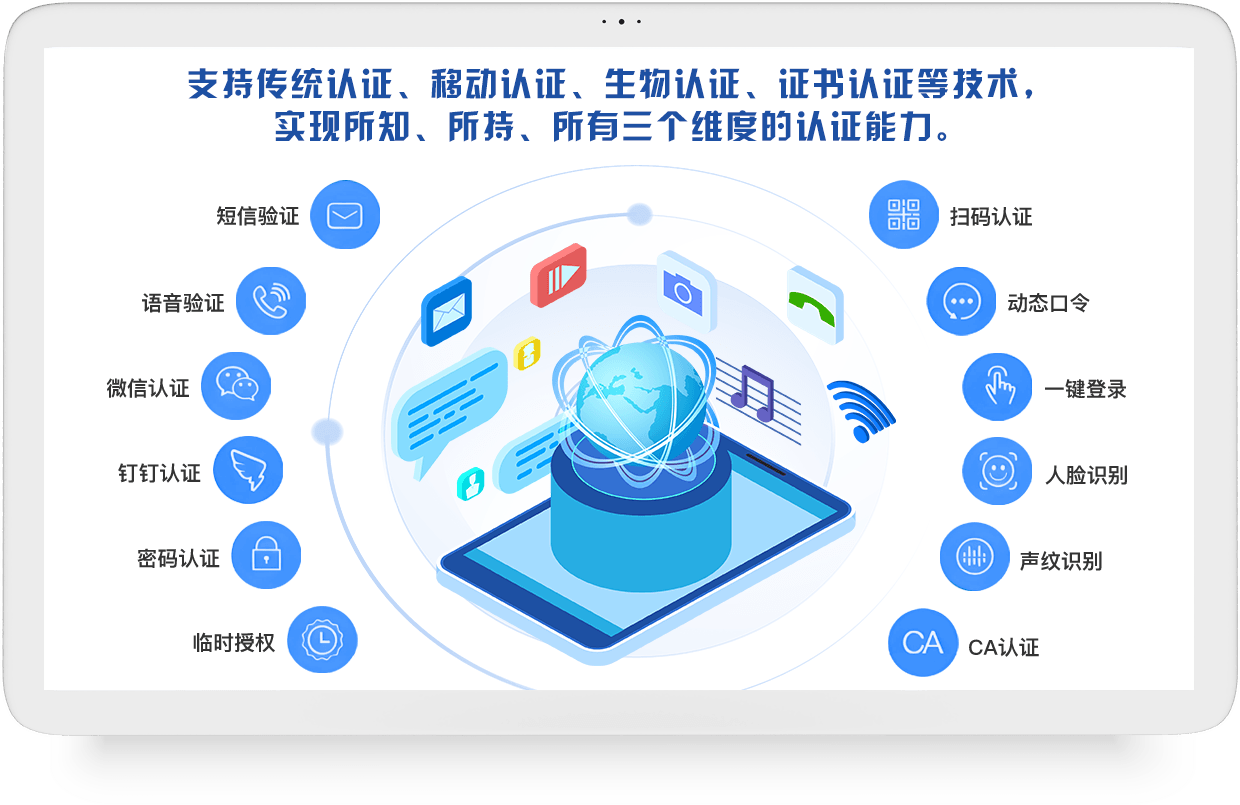
A four-dimensional authentication system covers B/S web applications, C/S desktop programs, mobile terminals (Android/iOS), and IoT devices. It supports multimodal biometrics including fingerprint (FIDO2), face (3D liveness detection), and voiceprint (dynamic OTP fusion), with data secured by Chinese national cryptographic algorithms.

A smart risk-sensing engine dynamically adjusts authentication strength by analyzing 30+ data dimensions in real time, enabling unified authentication from office OA to industrial control systems with fingerprint, face, and voiceprint combinations that meet MLPS 2.0 Level 3 requirements.

Contact Us
Standard API System
03

Standard API System

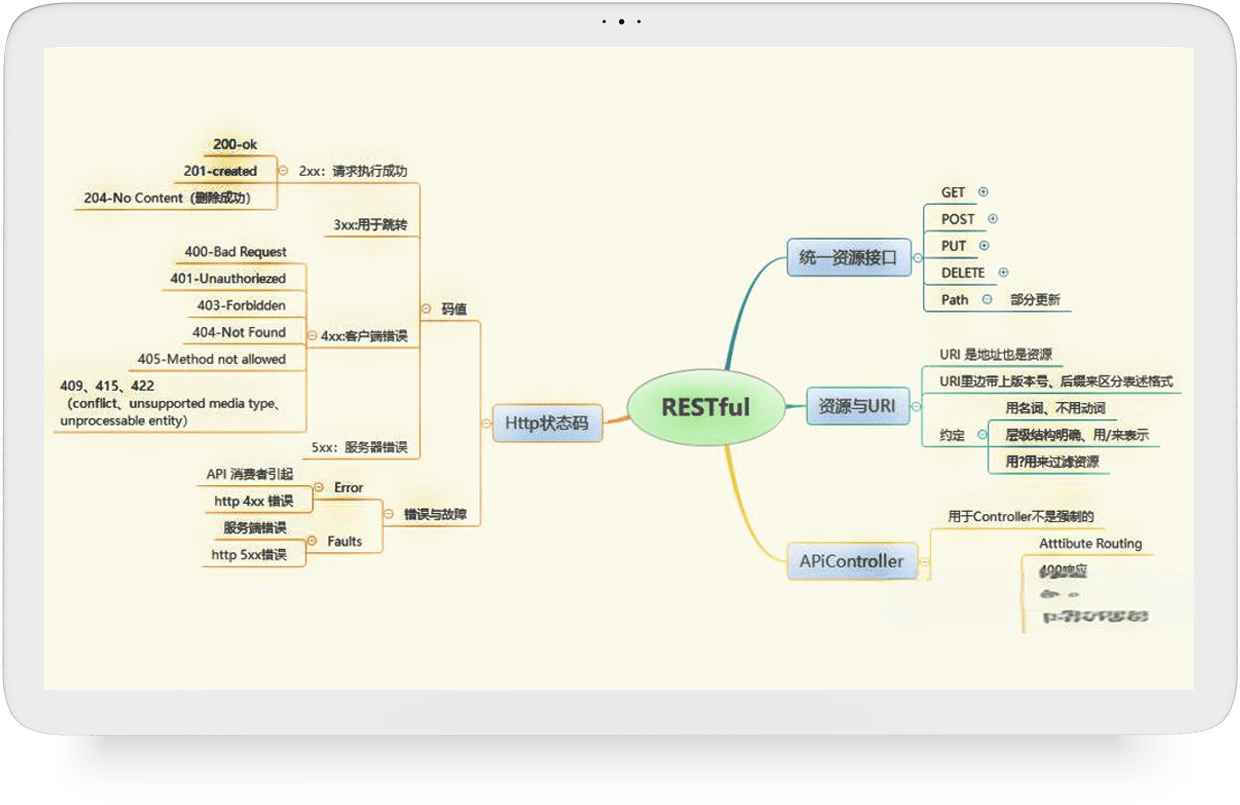
The API system is built on HTTP. Its core principles include resource identification (URI), a uniform interface (HTTP methods), stateless communication, and hypermedia. Standard GET/POST/PUT/DELETE methods operate on resources, and HTTP status codes give clear feedback — an architectural style well suited to scalable distributed systems.

JSON is used for data exchange, with HATEOAS (Hypermedia as the Engine of Application State) for dynamic navigation. Sound API design includes versioning (e.g. /v1/resource), clear resource naming (plural nouns), and robust error handling (error codes and descriptions) — together ensuring maintainability and usability.

Contact Us
Lightning Deployment
04

Lightning Deployment

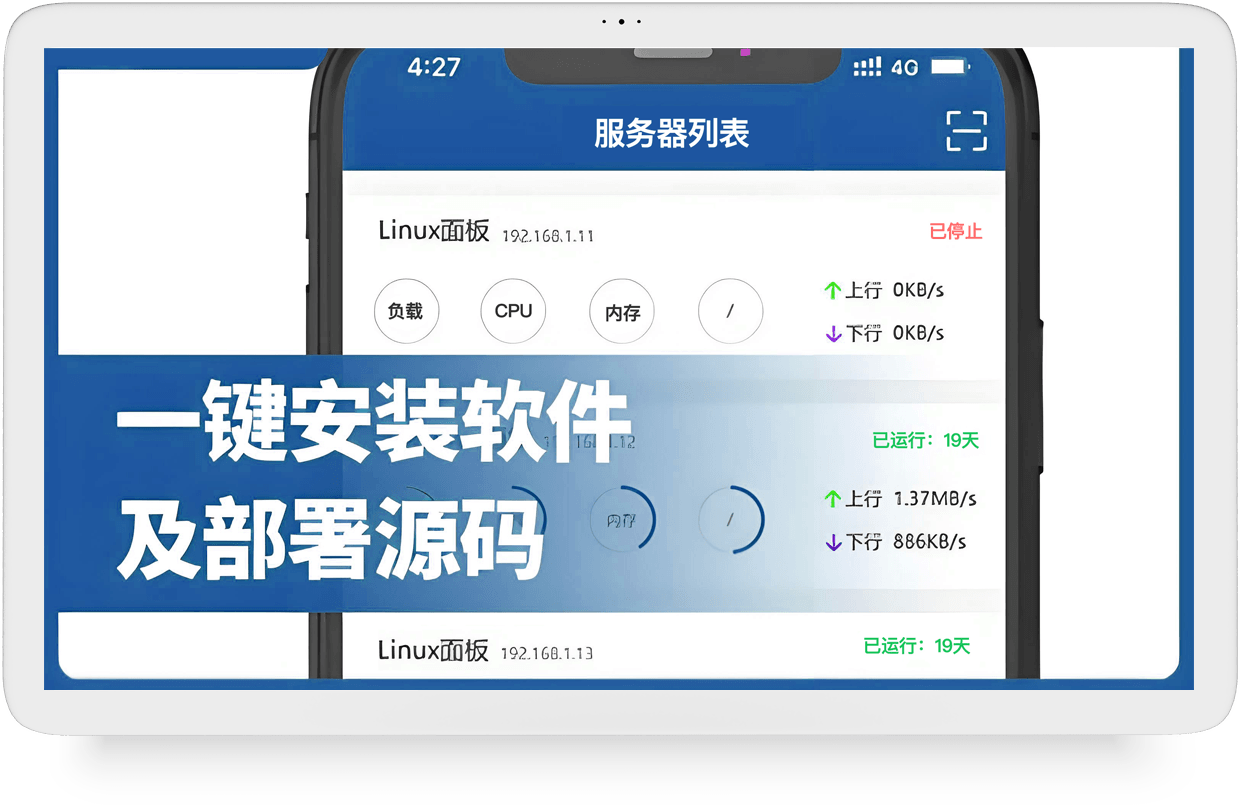
The system uses containerized deployment based on Docker and Kubernetes, with standardized application images, resource isolation, and elastic scaling. It supports one-click cross-cloud delivery and canary releases, with a container image under 500 MB.

An automated configuration wizard completes initialization in 15 minutes. Infrastructure-as-Code tools (such as Ansible and Terraform) provide declarative environment definitions, version control, and automated deployment with consistent cross-environment management.

Contact Us
Performance Benchmark
05

Performance Benchmark

A high-performance architecture delivers up to 20,000+ TPS per node, keeping average response time for core login services under 200 ms. Multi-level caching, asynchronous non-blocking I/O, and distributed session management enable high-concurrency, low-latency service.

A microservice-based distributed architecture uses horizontal sharding, read-write separation, and intelligent load balancing for linear scaling. With elastic containerized deployment and dynamic traffic scheduling, it sustains Double-11-scale traffic from tens of millions of concurrent users, keeping core services at 99.99% availability under peak load.

Contact Us

Customer Cases

Fully adapted for government, enterprise groups, and the water sector

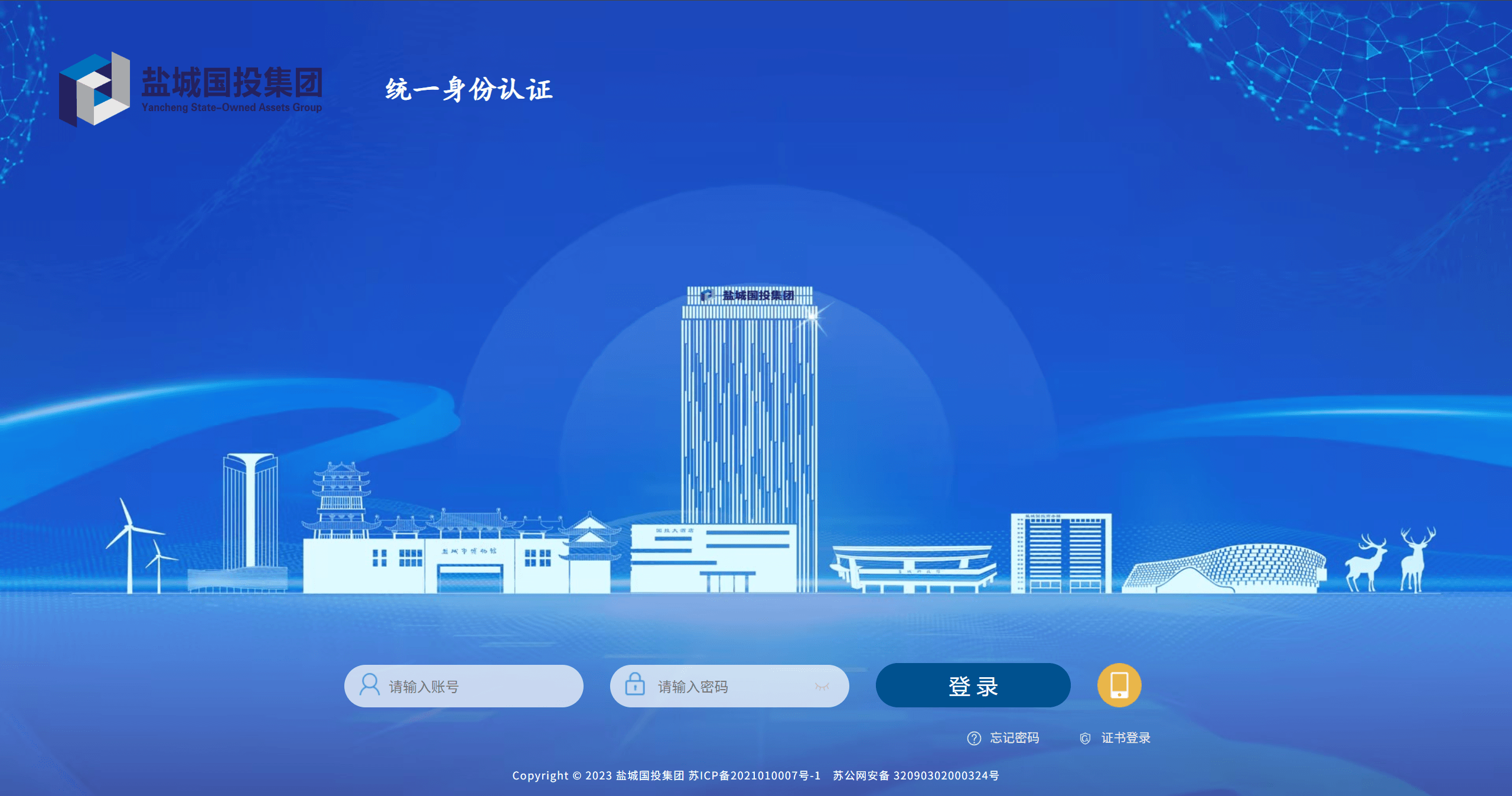
Unified portal for Jiangsu Yancheng State-owned Investment Group

Unified portal for Jiangsu Yancheng State-owned Investment Group

Manufacturing
Comprehensive business portal for a prefecture in Xinjiang

Comprehensive business portal for a prefecture in Xinjiang

Water & Conservancy
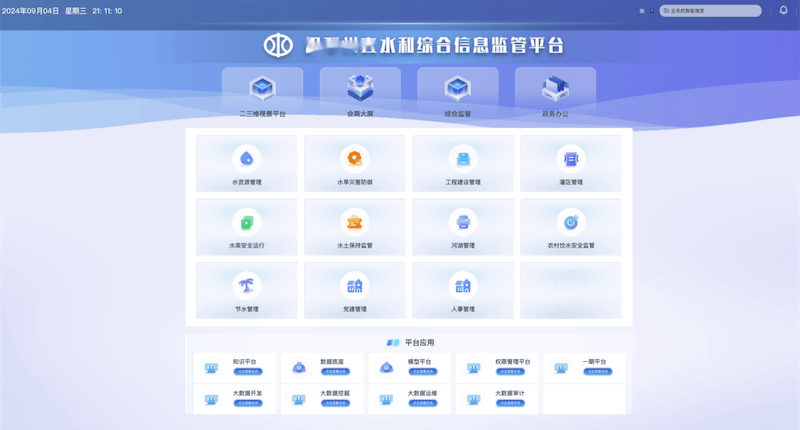
Unified portal for a committee of the Ministry of Water Resources

Unified portal for a committee of the Ministry of Water Resources

Government
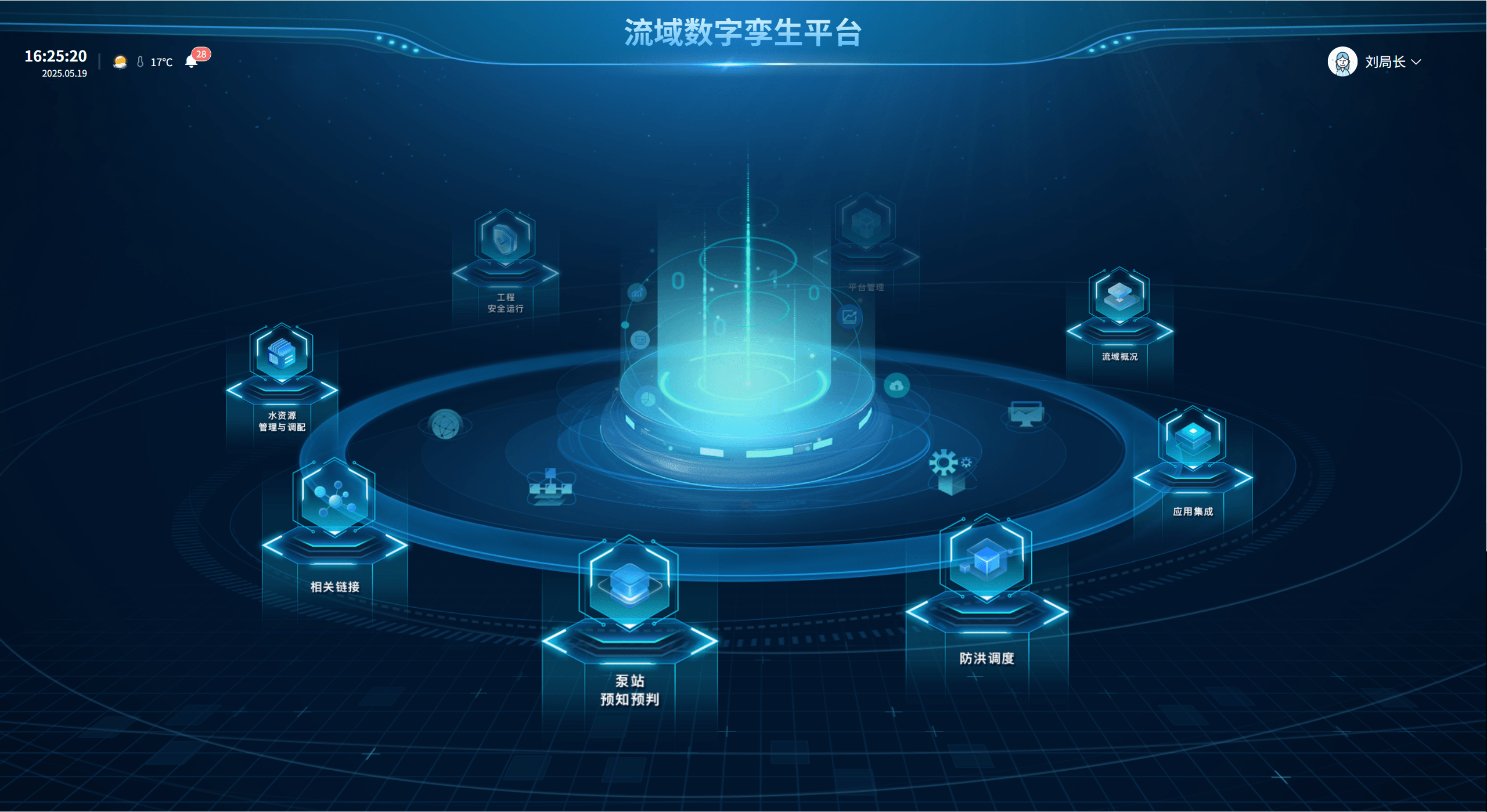
Digital twin portal for a river basin in Xinjiang

Digital twin portal for a river basin in Xinjiang

Water & Conservancy
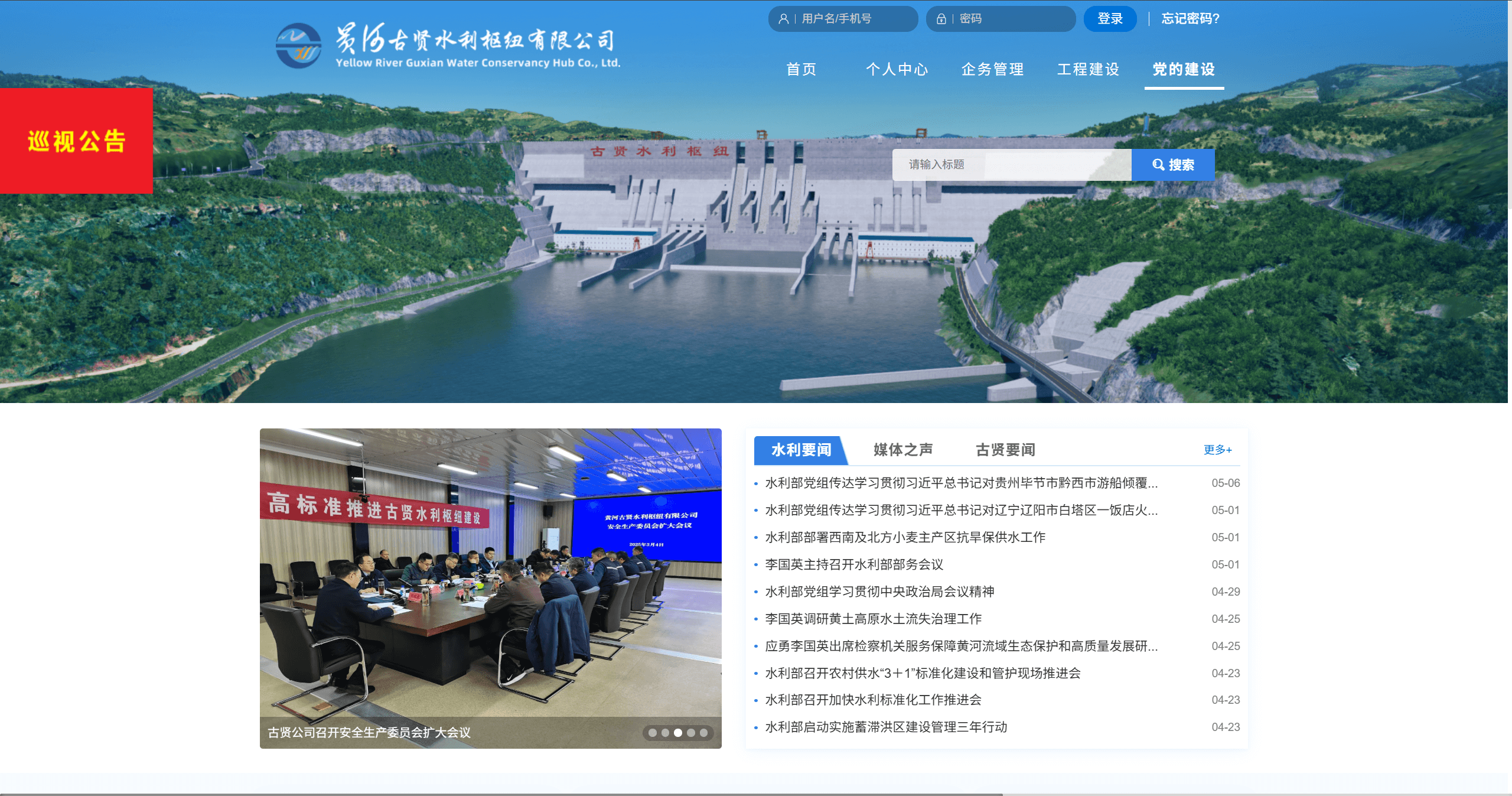
Unified portal for a major Yellow River water complex

Unified portal for a major Yellow River water complex